Build a More Reliable Emergency Food Supply
Emergency food planning is about more than filling a shelf with canned goods. When severe weather, power outages, evacuations, travel delays, or other disruptions make cooking hard, it helps to have familiar meals that are easy to grab and eat. A well-rounded kit should feel practical for your real life, not like a pile of items you would never choose on an ordinary day.
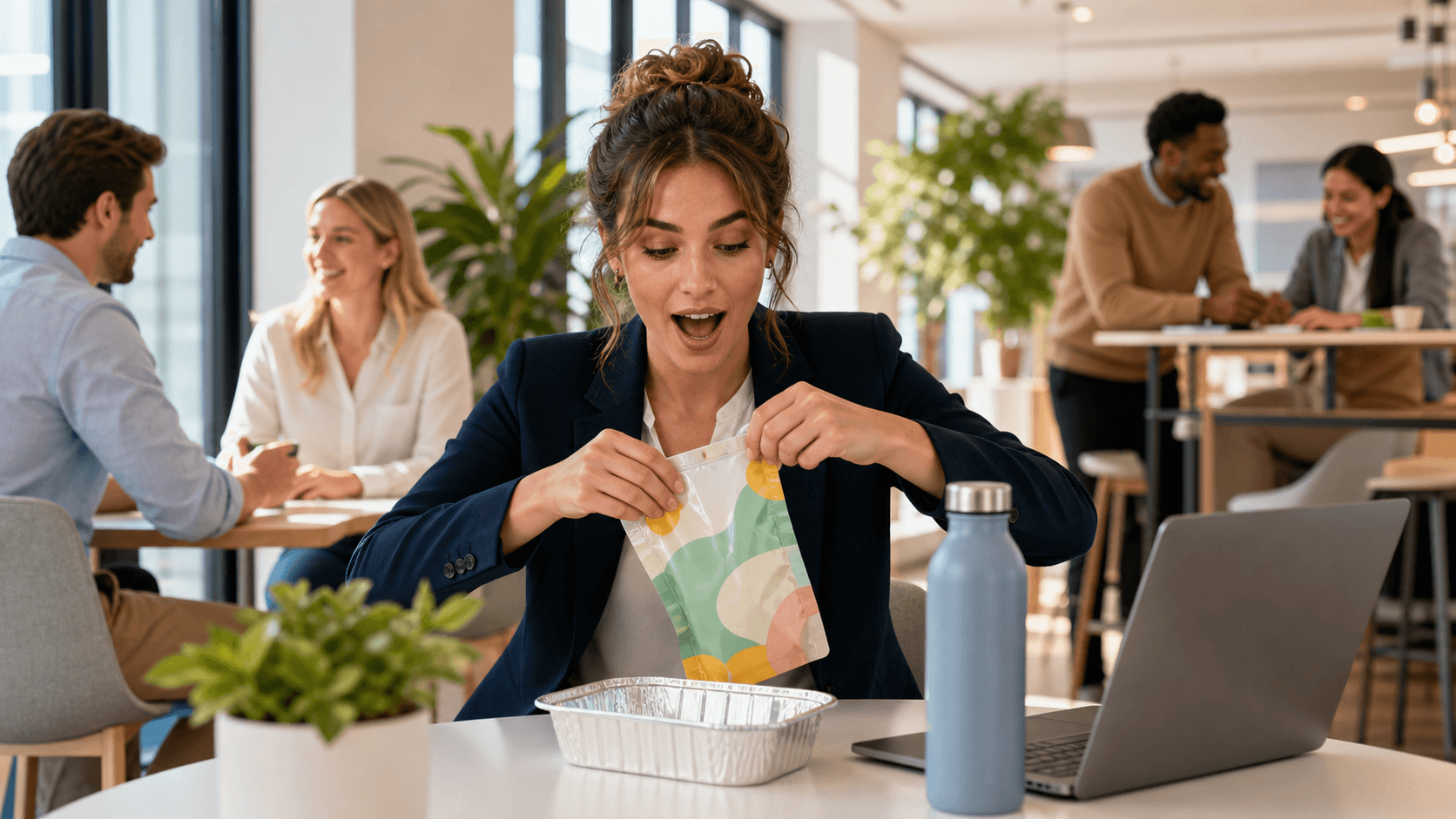
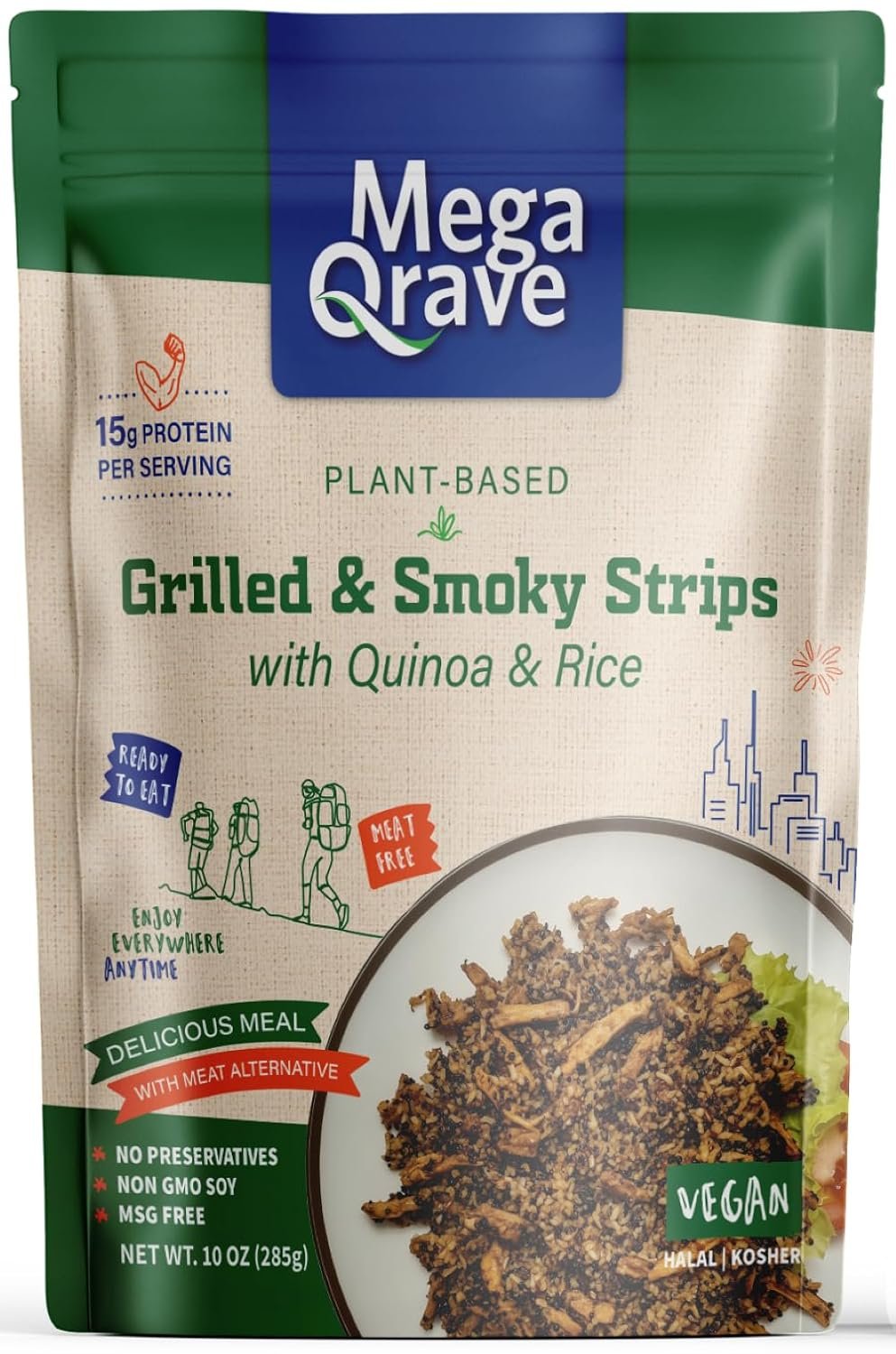
October is a good time to refresh your supplies. Hurricane season, autumn storms, wildfire disruptions, and colder-weather outages can all change plans quickly. At Mega Qrave, we make shelf-stable, plant-based ready-to-eat meals in portable pouches for moments when you need food without a kitchen, whether you are at home, at work, on the road, or away from home unexpectedly.
Why Shelf-Stable Plant-Based Meals Belong in a Kit
Plant-based meals for emergency kits can bring more ease to a stressful situation. Unlike foods that need refrigeration, cooking, a can opener, or a sink full of dishes afterward, ready-to-eat pouches are made for simple eating. That can matter during a power outage, a temporary evacuation, a hotel stay, or a long wait on the roadside.
Portability is another reason we recommend including pouches in your supply. They can fit into spaces where bulky cans and glass jars may be less convenient, such as a go bag, desk drawer, glove compartment, camping bin, or small apartment pantry. Compact food storage makes it easier to prepare without giving up an entire closet.
There is also comfort in having food that feels like a meal. Snack bars and dry staples can be helpful, but they may not feel satisfying when you are already dealing with an unexpected disruption. Having flavorful, familiar food available can make a long day feel a little more manageable.
Our zero-prep pouches are designed for those moments when cooking is not an option. You can keep them alongside other emergency foods and use them when you need a convenient meal with little fuss.
Choose Meals That Work with Limited Resources
The best emergency foods are easy to use when your usual routines are unavailable. We suggest choosing shelf-stable items that do not depend on electricity, refrigeration, pots, pans, or a microwave. Mega Qrave pouches are designed to be ready to eat, which makes them a practical option for limited-resource situations.
Before adding any food to your kit, take a few minutes to read the package. Household needs vary, and a thoughtful supply should match the people who may rely on it. Review details such as:
- Best-by dates and storage instructions
- Serving sizes and how many pouches you may need
- Ingredients and allergen information
- Individual food preferences and sensitivities
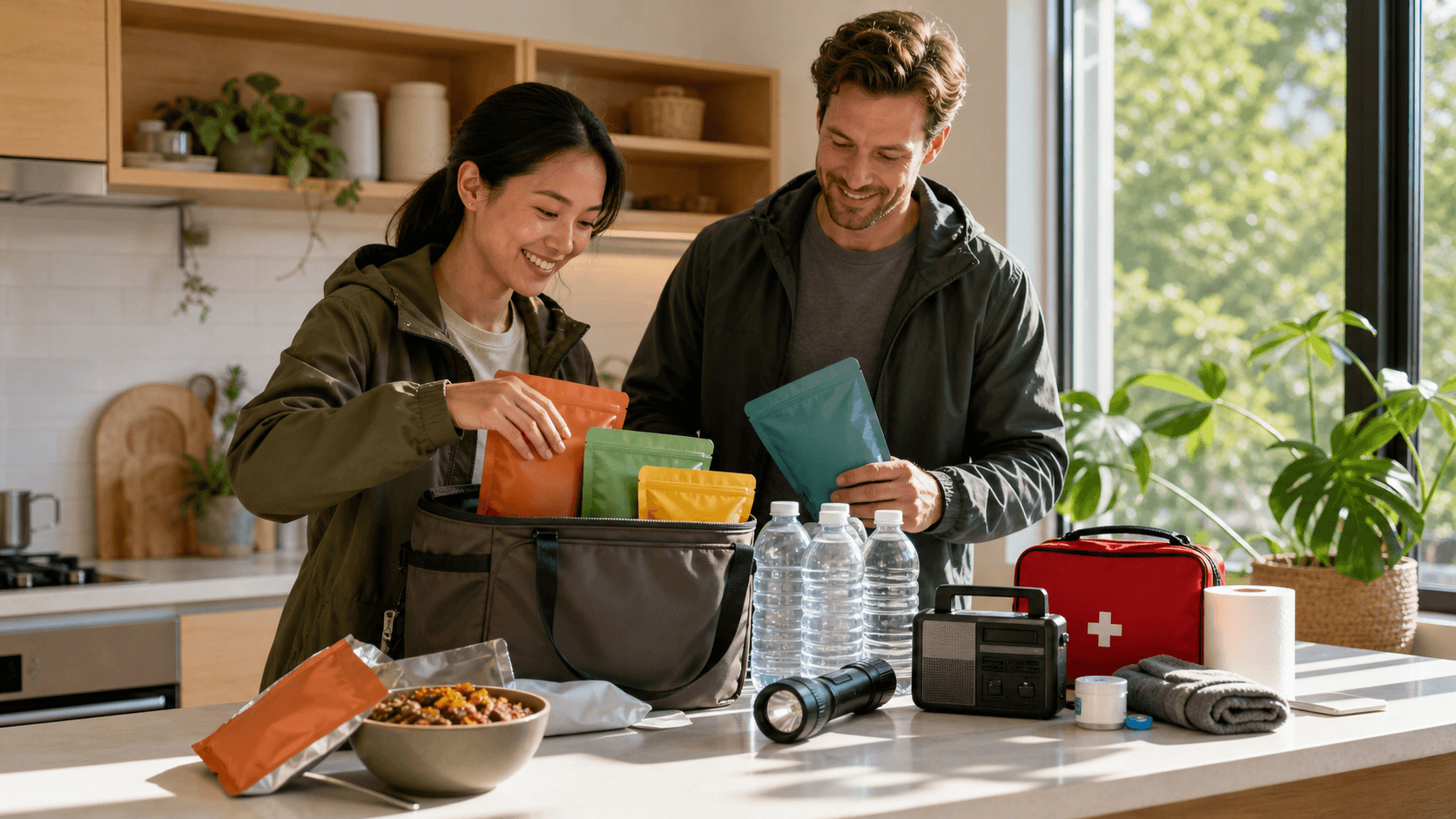
Food is only one piece of preparedness. We recommend storing meals near other supplies that can help your household stay safe and comfortable, including drinking water, medications, first-aid items, flashlights, batteries, hygiene products, and any baby, pet, or elder-care items you may need. A meal pouch is more useful when it is part of a complete plan.
Build a Balanced Supply for Your Household
A good emergency kit should account for everyone who might need it. That may include adults, children, older relatives, overnight guests, or people with dietary needs. Rather than relying on one food type, we encourage you to keep a mix of meals, snacks, and hydration options that your household can actually use.
Plant-based meals for emergency kits can be a natural fit if you already eat plant-forward foods. They can also work for anyone who wants convenient shelf-stable meal choices. Food planning does not have to be all or nothing. The goal is to choose options you recognize, enjoy, and feel comfortable eating during a disruption.
Along with ready-to-eat meal pouches, consider adding complementary foods that require little water and create minimal waste, especially in vehicle kits and evacuation bags. A practical mix may include:
- Shelf-stable fruit
- Nut or seed butter
- Crackers
- Protein-rich snacks
- Electrolyte drink options and utensils
Variety can help prevent meal fatigue and gives you more flexibility if a disruption lasts longer than expected. It also makes it easier to use and replace items during regular workdays, travel, or camping trips.
Keep Emergency Meals Fresh and Ready to Use
Storage matters. Keep emergency meals in a cool, dry place away from direct sunlight, moisture, and extreme heat. A pantry shelf, hall closet, work drawer, emergency tote, or designated area in a camping box can all work well. If you store food in a vehicle, check it more often because temperatures can change quickly.
Rotation is one of the simplest ways to keep your supply current. We recommend placing new pouches behind older ones, then using the oldest meals for regular lunches, travel days, or camping trips. Replace what you use so your emergency kit stays stocked with food you already know you like.
Review your supply at least twice each year. Many people find it helpful to check before spring storm season and again in early fall. October is an especially useful reminder to look over food, water, batteries, and other items before winter weather, holiday travel, and late-season storms bring surprises.
Pack Your Pouches Before the Next Disruption
Preparedness does not need to be complicated. Start with one practical step, such as setting aside shelf-stable, ready-to-eat meals in a home tote, work drawer, vehicle kit, or travel bag. Choose foods that feel familiar, fit your household's needs, and are easy to eat when time, power, and kitchen access are limited.
A dependable emergency supply is personal, regularly checked, and built around items you will genuinely use. Keeping convenient meals on hand can help you feel more prepared for everyday delays as well as the unexpected situations no one plans for.
Build A More Flexible Emergency Food Plan
At Mega Qrave, we make it easier to add familiar, satisfying options to the supplies you keep on hand. See how plant-based meals for emergency kits can complement your household's practical food plan. Our products offer a convenient option for meals that fit both everyday routines and preparedness needs.