Food weight matters on the trail, but so does being able to eat when you are tired, short on time, or caught in changing weather. We believe a smart hiking food plan should help you move comfortably without leaving you dependent on a stove, fuel, clean cookware, or the perfect lunch break.
Fall makes that balance even more important. Shorter days, cool air, wet conditions, and shifting forecasts can make a long meal setup feel like more work than it is worth. By packing food that is easy to access and ready when you are, you can spend more time hiking and less time managing lunch.
Balance Trail Weight Against Real-World Meal Readiness
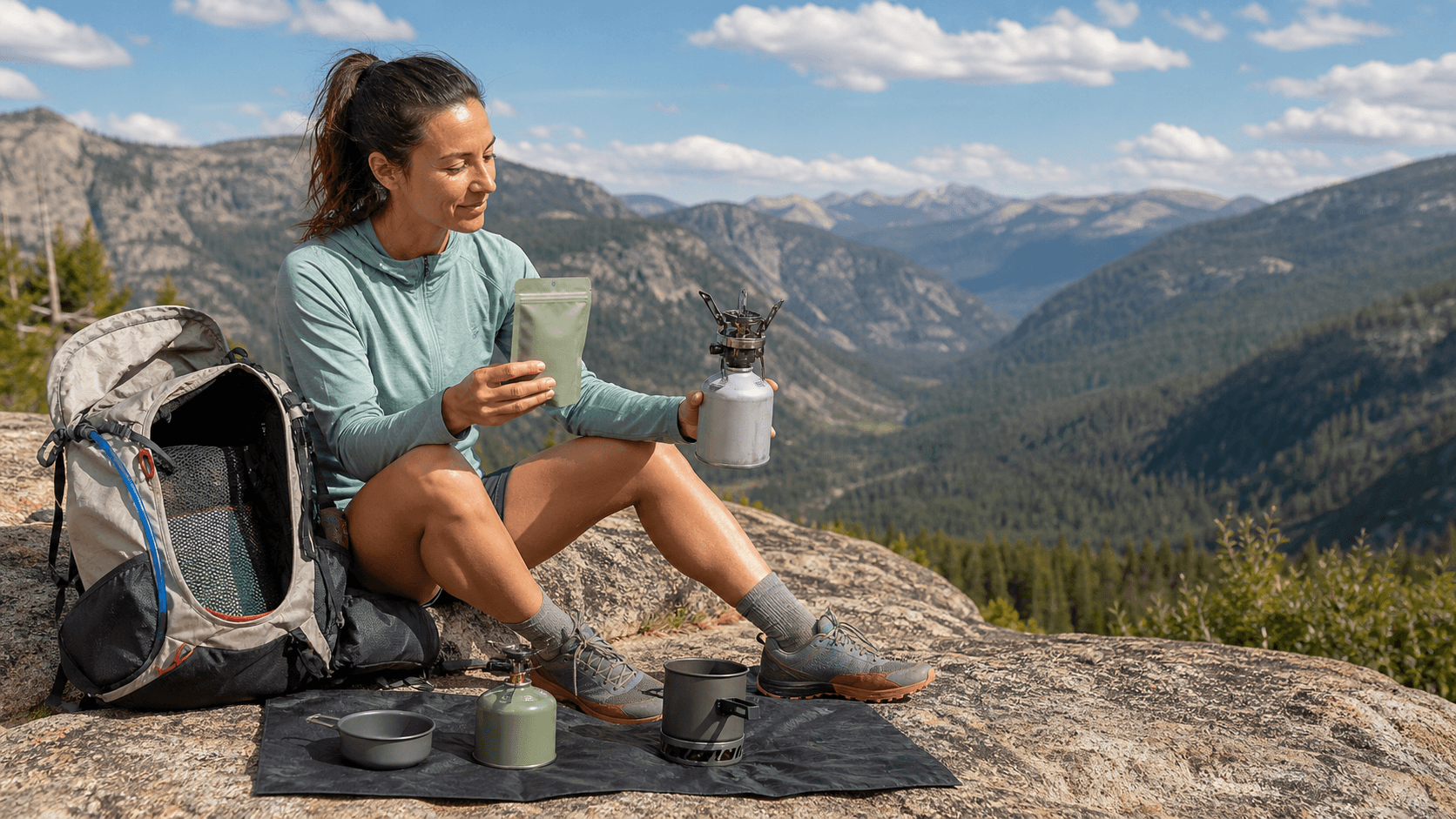
Lightweight food is not always the same as trail-ready food. A dehydrated meal may weigh very little in your pack, but it can still require hot water, a stove, fuel, a pot, a spoon, and time to prepare. That setup may work well at a planned campsite, but it is less helpful during a quick break on a windy ridge or an unexpected delay near the trailhead.
Meal readiness can shape how comfortable your day feels. When hunger hits, having a food option that is ready to eat can remove one more decision from the moment. We recommend thinking beyond the weight printed on a package and considering what each meal asks of you before you can eat it.
Ready-to-eat pouch meals can help reduce the amount of extra meal gear you carry, including:
- A camp stove and fuel canister
- Pots, bowls, and cooking utensils
- Cleanup supplies for meal prep
- Time spent boiling water or waiting for food to soak
Of course, we still encourage you to bring enough water for hydration and to plan around the conditions of your specific hike. A no-cook meal does not replace water, but it can make your food plan less dependent on it.
How Plant-Based Meals for Hiking Simplify Planning
A good packing list should feel organized before you ever leave home. Plant-based meals for hiking can be a practical part of that plan because shelf-stable pouches do not require refrigeration or cooking. Instead of sorting out what must stay cold or which meal needs a stove, you can assign meals to the moments when you are most likely to need them.
For a day hike, one pouch can serve as a straightforward lunch or a backup option if your outing runs longer than expected. On a weekend trip, you can separate food by day and place each meal where it will be easy to reach. That kind of planning is simple, but it can make a packed bag feel much more manageable.
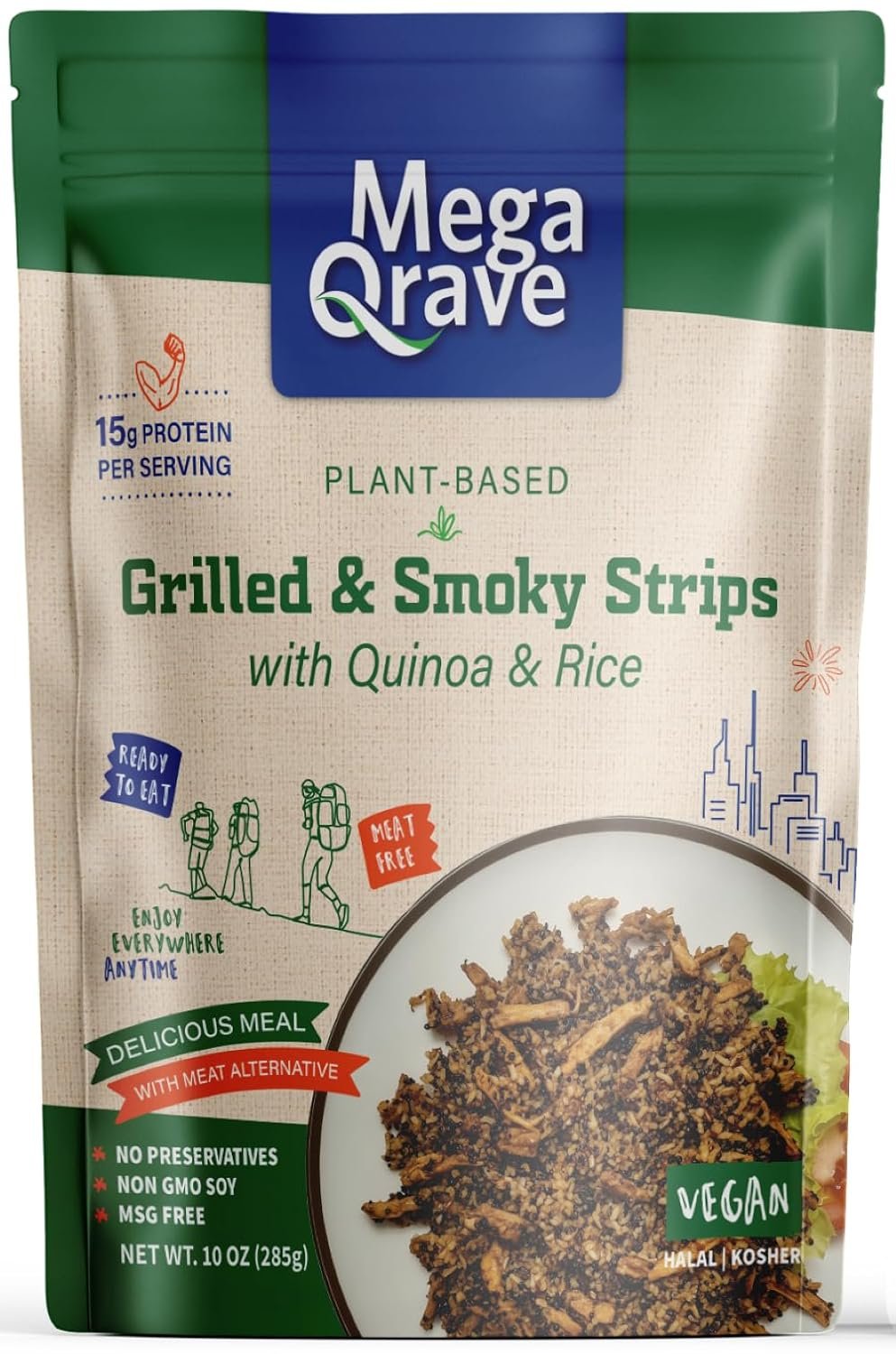
At Mega Qrave, we make shelf-stable, plant-based pouch meals that are ready to eat, with no refrigeration, cooking, or cleanup required.
A simple pre-trip food setup may include:
- One meal for a planned break
- One extra pouch for delays or travel time
- Snacks such as nuts, fruit, or other familiar trail foods
- Water and the gear needed to carry it safely
Pack Plant-Based Meals for Fall Weather
October hiking can bring chilly starts, muddy paths, rain, and earlier sunsets, sometimes all on the same outing. In those conditions, meals that do not depend on dry ground, calm weather, or a reliable cooking window can be especially useful. We like keeping the food plan flexible so you are not forced to stop for a long meal prep session when the weather changes.
Placement in your pack matters, too. Keep one ready-to-eat pouch in an outer pocket or another easy-to-reach spot for a quick break. Store additional pouches closer to the center of the pack, where they are less likely to get crushed by heavier gear. If you expect a longer route, slower pace, or uncertain weather, bringing an extra pouch gives you another meal option without adding cooking tasks.
Plant-based meals for hiking work best as part of a broader fall food plan, not as the only item in your bag. Pair ready-to-eat meals with snacks you enjoy, hydration, and warm layers for rest stops. The goal is not to pack one type of food for every situation. It is to make sure you have something dependable when your original plan changes.
Build a Reliable Meal System From Trailhead to Camp
Reliable trail meals begin with matching your food to the length and style of your trip. We suggest starting with a basic plan, then adding a little flexibility for traffic, route changes, slow conditions, or an unexpected extra night outdoors.
For a short day hike, pack one ready-to-eat meal as lunch or as a dependable backup. For an overnight trip, assign meals by day and include extra food for delays. If you are traveling to a trailhead, camping, or spending a long day away from a kitchen, shelf-stable pouches can also be useful before or after your hike.
Before a bigger outing, test your food choices during an ordinary day. You will get familiar with flavor, portion size, packaging, and what feels satisfying for your own hiking routine. That practice can help prevent surprises when you are farther from home.
Responsible food planning also means caring for the trail. We encourage hikers to:
- Pack out every pouch and wrapper
- Follow local food-storage rules where they apply
- Keep food secured when wildlife precautions are required
- Leave rest spots and campsites cleaner than you found them
Choose a Ready-to-Eat Meal Strategy Today
Trail weight deserves attention, but readiness matters when hunger arrives, daylight fades, or weather turns less friendly. Take a close look at your current food setup and notice where cooking gear, prep time, and cleanup may be adding effort that you do not need.
A practical meal plan gives you options. When you balance familiar snacks, hydration, weather-ready layers, and easy-to-eat food, you can spend less time managing meals and more time enjoying the trail.
Find Trail Meals That Fit Your Pack
At Mega Qrave, we help hikers choose satisfying options that are easy to carry, prepare, and enjoy outdoors. Discover plant-based meals for hiking that can add hearty flavor to your next trail menu. Use our ideas to build a reliable food lineup for day hikes, overnights, and longer adventures.